How AI-Driven Talent Matching is Eliminating Bias and Improving Hiring Quality
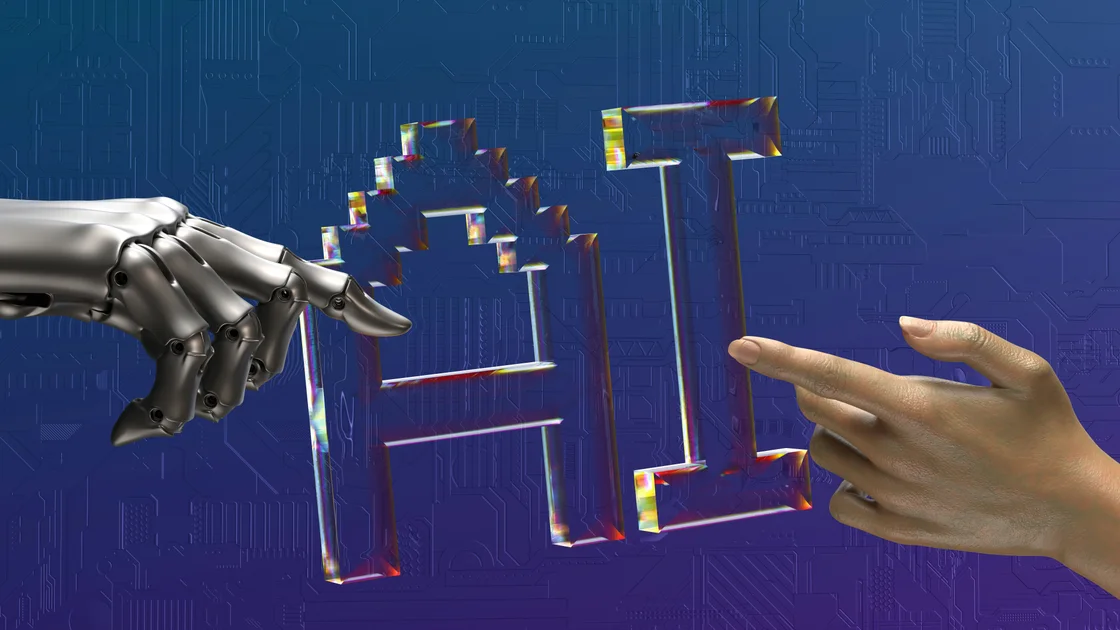
Ai-driven talent matching is revolutionizing the hiring process by eliminating bias and improving hiring quality. As of 2026, this technology has become increasingly prevalent, with many companies opting for AI-powered recruitment tools to streamline their hiring processes. By leveraging machine learning algorithms and natural language processing, AI-driven talent matching platforms can analyze vast amounts of data to identify the most suitable candidates for a particular role. This not only saves time but also reduces the risk of human bias, leading to more diverse and skilled workforces. According to a report by Gartner, the use of AI in hiring is expected to increase significantly in the next few years.
Talent Matching
Ai-driven talent matching involves the use of artificial intelligence to match candidates with job openings based on their skills, experience, and fit. This technology uses machine learning algorithms to analyze data from various sources, including resumes, social media profiles, and job descriptions. By doing so, it can identify patterns and connections that may not be immediately apparent to human recruiters. This leads to more accurate and efficient hiring decisions, as well as a better candidate experience.
The use of AI in talent matching also enables companies to automate many routine tasks, such as screening and shortlisting candidates. This frees up recruiters to focus on higher-level tasks, such as interviewing and negotiating with top candidates. Additionally, AI-driven talent matching platforms can provide valuable insights and analytics to help companies refine their hiring strategies and improve their overall talent acquisition processes.
Related Posts
- The Evolution of the Digital Workplace: Key Tech Trends Driving Business Growth in 2026
- The End of the Traditional Degree: Why Skills-Based Hiring is Transforming Workplace Recruitment in 2026
- How Professionals Choose High Growth Career Paths Successfully
- Human + AI Collaboration: How to Leverage Emerging Tech to Boost Your Daily Output
- Career Planning Methods For Long Term Professional Development
For example, a study by McKinsey found that companies that use AI-driven talent matching platforms are more likely to fill open positions quickly and with high-quality candidates. This is because AI-driven talent matching platforms can analyze vast amounts of data to identify the most suitable candidates for a particular role.
Eliminating Bias
One of the most significant advantages of AI-driven talent matching is its ability to eliminate bias from the hiring process. Human recruiters, no matter how well-intentioned, can bring their own biases and prejudices to the hiring process. This can result in discriminatory practices, such as favoring certain candidates based on their race, gender, or age. AI-driven talent matching platforms, on the other hand, can analyze data objectively, without being influenced by personal biases or prejudices.
This is particularly important in today’s diverse and globalized workforce, where companies need to attract and retain top talent from a wide range of backgrounds and perspectives. By using AI-driven talent matching platforms, companies can ensure that their hiring processes are fair, equitable, and free from bias. As a result, they can build more diverse and inclusive workforces, which are better equipped to drive innovation and success in 2026.
Moreover, AI-driven talent matching platforms can help companies to identify and address potential biases in their hiring processes. For instance, some platforms can analyze data to identify areas where bias may be occurring, such as in the language used in job descriptions or the criteria used to screen candidates.
Improving Quality
Ai-driven talent matching not only eliminates bias but also improves the overall quality of hiring decisions. By analyzing vast amounts of data, AI-driven talent matching platforms can identify the most suitable candidates for a particular role, based on their skills, experience, and fit. This leads to better job matching, as well as improved candidate satisfaction and retention.
Moreover, AI-driven talent matching platforms can provide companies with valuable insights and analytics to help them refine their hiring strategies and improve their overall talent acquisition processes. For example, some platforms can analyze data to identify the most effective sources of hire, the best times to post job openings, and the most attractive salary ranges for top candidates.
As a result, companies can make more informed hiring decisions, based on data and analytics rather than intuition or personal biases. This leads to better outcomes, such as improved time-to-hire, reduced turnover rates, and increased productivity.
Comparison Table
The following comparison table highlights the key features and benefits of different AI-driven talent matching platforms:
| Platform | Features | Pricing |
|---|---|---|
| Platform A | AI-driven matching, automated screening, and predictive analytics | $500/month |
| Platform B | AI-driven matching, automated screening, and candidate sourcing | $1,000/month |
| Platform C | AI-driven matching, automated screening, and predictive analytics, as well as integration with HR systems | $2,000/month |
This table highlights the different features and pricing options available for AI-driven talent matching platforms. Companies can choose the platform that best fits their needs and budget.
Cost & Pricing Breakdown
The cost of AI-driven talent matching platforms can vary widely, depending on the features and services provided. The following breakdown highlights the estimated costs and pricing tiers for different platforms:
Basic platforms may cost between $500 and $1,000 per month, and offer features such as AI-driven matching and automated screening. Mid-tier platforms may cost between $1,000 and $2,500 per month, and offer additional features such as predictive analytics and candidate sourcing.
Enterprise platforms may cost $5,000 or more per month, and offer advanced features such as integration with HR systems, customized reporting, and dedicated support. Companies should carefully evaluate their needs and budget when selecting an AI-driven talent matching platform.
Implementation
Implementing an AI-driven talent matching platform requires careful planning and execution. Companies should start by defining their hiring goals and objectives, as well as identifying the key features and functionalities they need. They should also evaluate different platforms and providers, and choose the one that best fits their needs and budget.
Once a platform is selected, companies should work closely with the provider to implement and configure the system. This may involve integrating the platform with existing HR systems, as well as training recruiters and hiring managers on how to use the platform effectively.
Key Takeaways
- Ai-driven talent matching is revolutionizing the hiring process by eliminating bias and improving hiring quality.
- AI-driven talent matching platforms can analyze vast amounts of data to identify the most suitable candidates for a particular role.
- These platforms can help companies to identify and address potential biases in their hiring processes.
- Ai-driven talent matching platforms can provide valuable insights and analytics to help companies refine their hiring strategies.
- Companies should carefully evaluate their needs and budget when selecting an AI-driven talent matching platform.
- The use of AI-driven talent matching platforms is expected to increase significantly in the next few years, with many companies opting for these platforms to streamline their hiring processes in 2026.
Frequently Asked Questions
What is AI-driven talent matching?
Ai-driven talent matching involves the use of artificial intelligence to match candidates with job openings based on their skills, experience, and fit. This technology uses machine learning algorithms to analyze data from various sources, including resumes, social media profiles, and job descriptions.
How does AI-driven talent matching eliminate bias?
Ai-driven talent matching platforms can analyze data objectively, without being influenced by personal biases or prejudices. This leads to more accurate and efficient hiring decisions, as well as a better candidate experience.
What are the benefits of using AI-driven talent matching platforms?
The benefits of using AI-driven talent matching platforms include improved hiring quality, reduced bias, and increased efficiency. These platforms can also provide valuable insights and analytics to help companies refine their hiring strategies.
How much do AI-driven talent matching platforms cost?
The cost of AI-driven talent matching platforms can vary widely, depending on the features and services provided. Basic platforms may cost between $500 and $1,000 per month, while mid-tier platforms may cost between $1,000 and $2,500 per month.
How do I implement an AI-driven talent matching platform?
Implementing an AI-driven talent matching platform requires careful planning and execution. Companies should start by defining their hiring goals and objectives, as well as identifying the key features and functionalities they need.
Conclusion
In conclusion, AI-driven talent matching is revolutionizing the hiring process by eliminating bias and improving hiring quality. By leveraging machine learning algorithms and natural language processing, AI-driven talent matching platforms can analyze vast amounts of data to identify the most suitable candidates for a particular role. As we move forward in 2026, it is clear that AI-driven talent matching will play an increasingly important role in the future of hiring, and companies that adopt this technology will be better equipped to attract and retain top talent in a competitive job market. For more information, visit SHRM to learn about the latest trends and best practices in talent acquisition and management.